Showcase
- NZILA Category Winner Student — 2026
Nomination statement
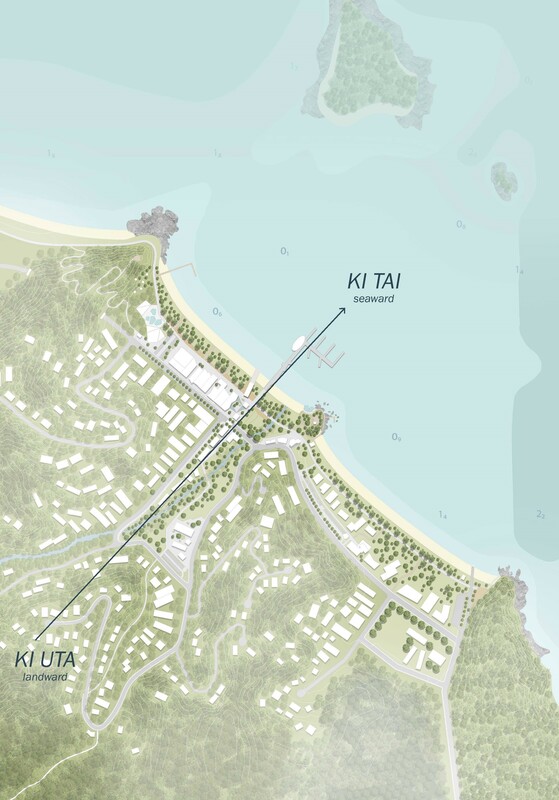
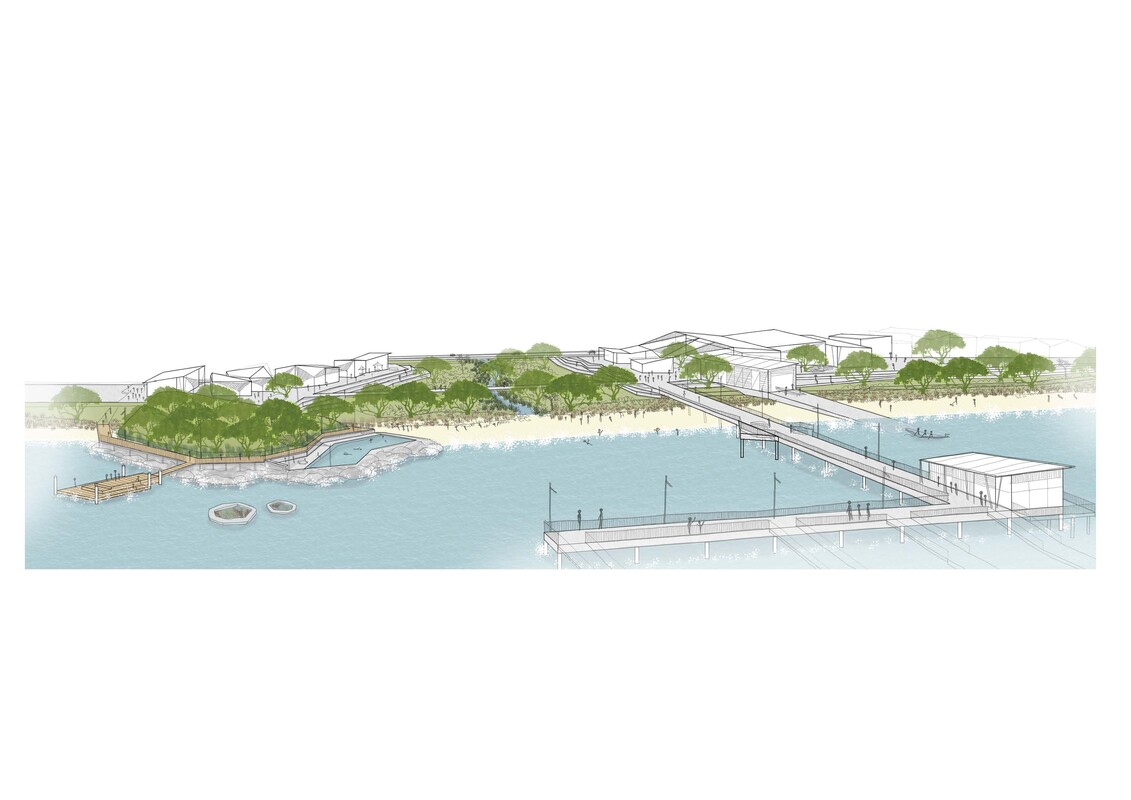
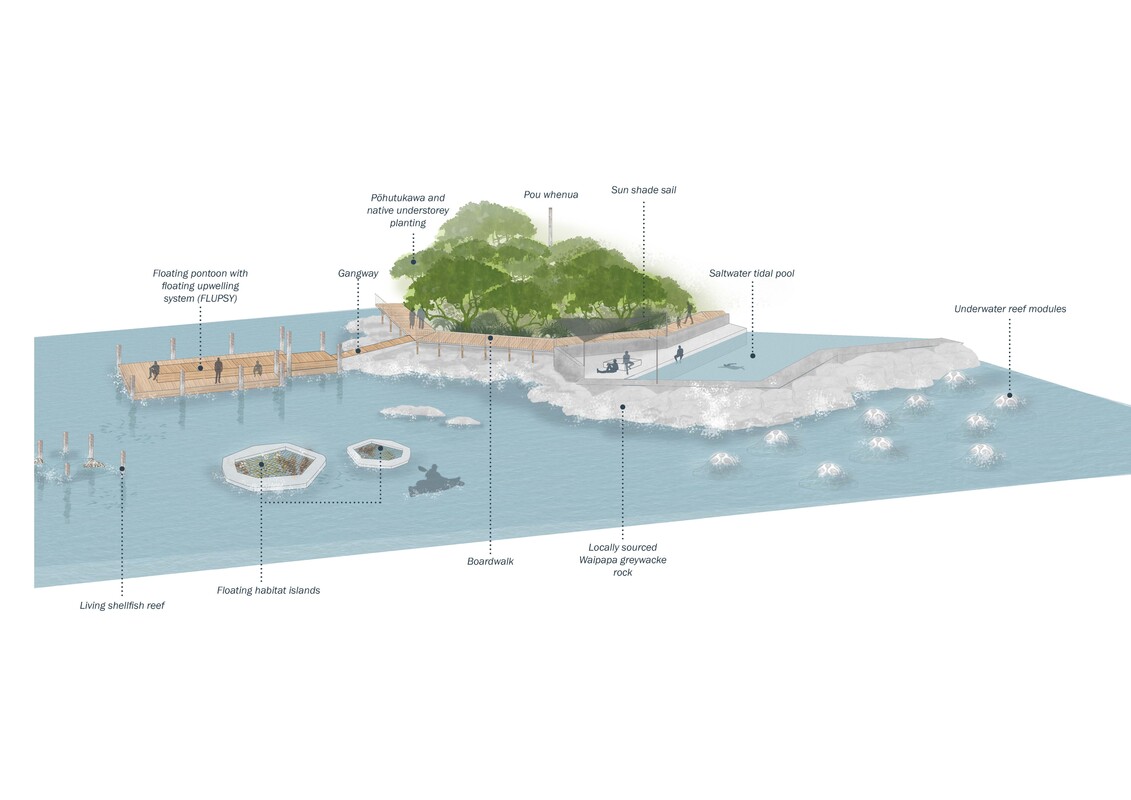
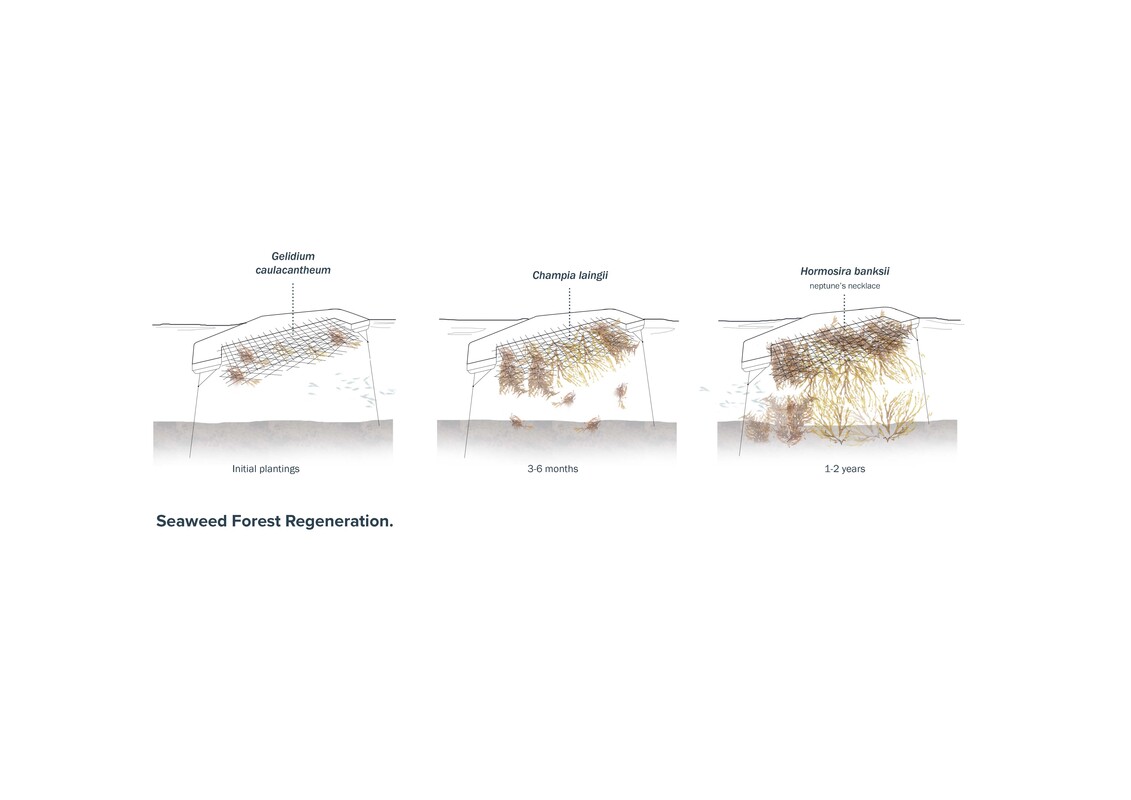
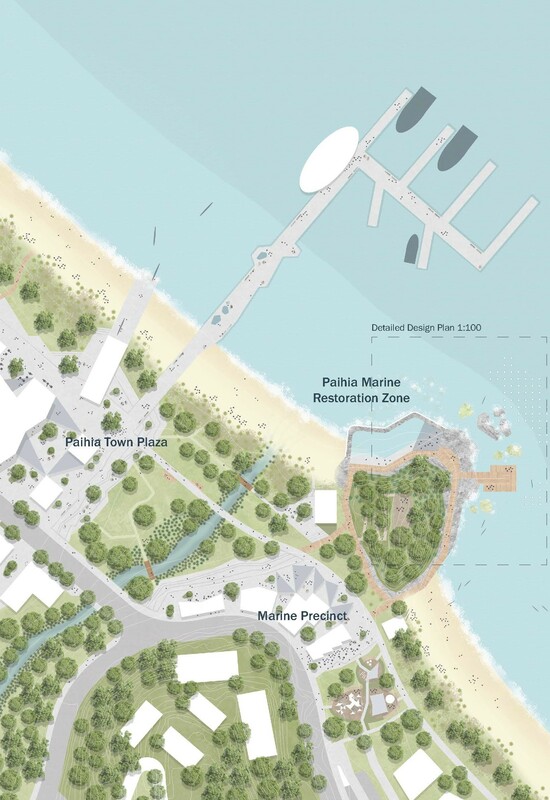
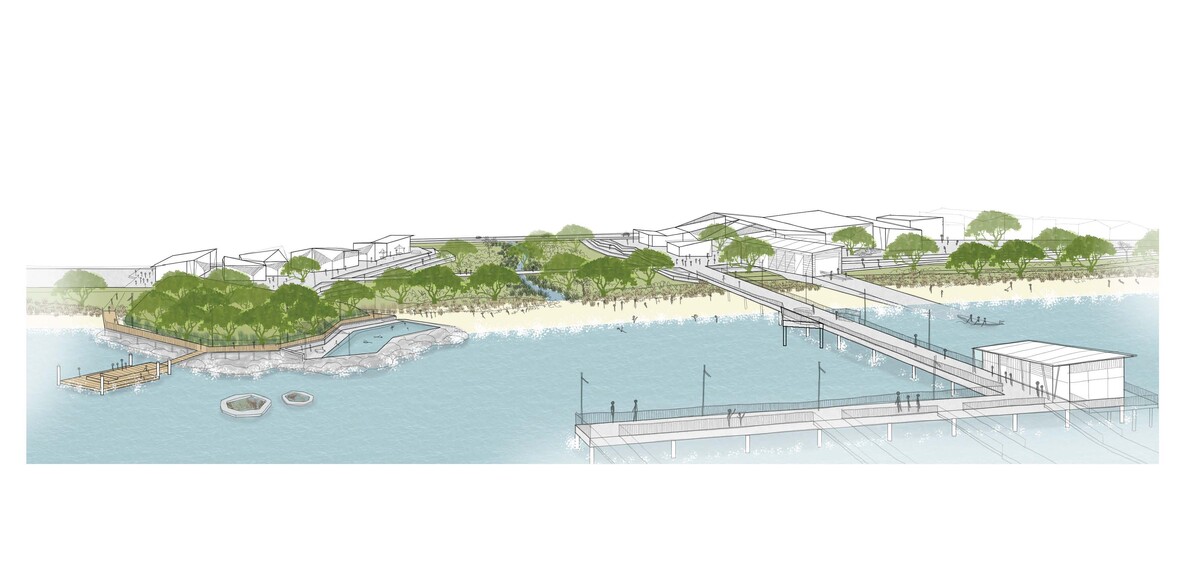
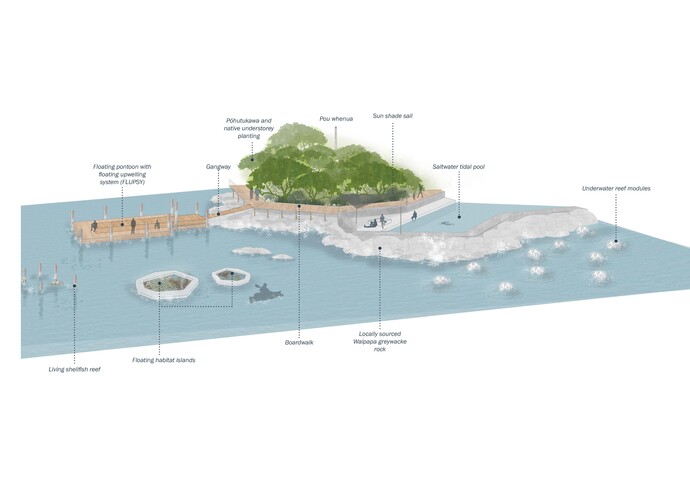
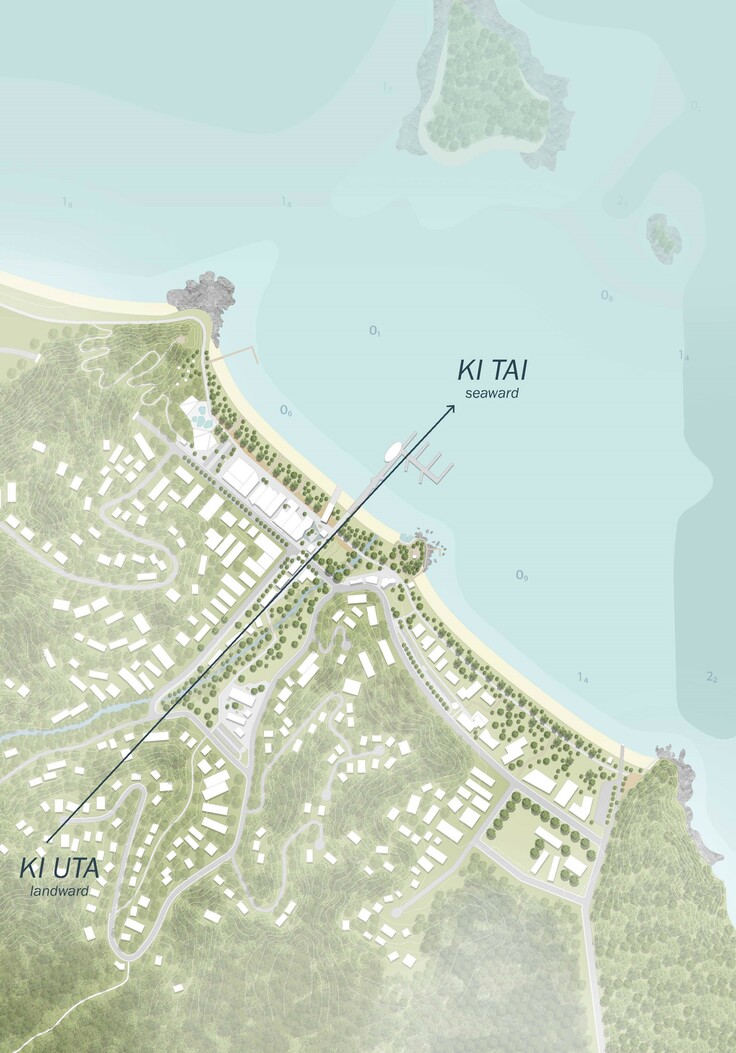
Paihia, located in Te Pēwhairangi / the Bay of Islands, is a coastal township shaped by its relationship with the moana. Known as the gateway to the Far North, it attracts around one million visitors annually through its ferry links, marine tourism, and access to over 140 subtropical islands. Its identity is deeply connected to the foreshore, where tourism, ecology, and culture converge. However, increasing pressures from development, climate change, and overuse threaten the health of the coastal environment that sustains both community and economy. This project reimagines Paihia through the lens of regenerative tourism by shifting visitors from passive consumers to active kaitiaki (guardians). Guided by mātauranga Māori and ecological restoration principles, the design strengthens the relationship between whenua (land), moana (ocean), and tangata (people) through integrated marine and terrestrial interventions. Coastal planting, marine habitat restoration, stormwater treatment, and public engagement initiatives work together to improve ecological resilience while reconnecting people with Te Taiao. The proposal positions tourism as a reciprocal relationship, where visitors contribute to the care of the environment they come to experience. New public spaces and ecological corridors reinforce Paihia’s cultural and environmental identity by encouraging learning, participation, and stewardship. Rather than relying solely on tourism growth, this project envisions a future where environmental wellbeing becomes the foundation of economic and community resilience. Paihia becomes a place defined not only by its beauty, but by its commitment to oranga (wellbeing), restoration, and collective care for the moana that shapes its identity.
Judges' citation
Paihia: where moana, whenua and tangata meet, by Olivia Hawtin, presents a thoughtful and compelling vision for the future of coastal communities. Grounded in extensive research and analysis, the project responds to the interconnected challenges of climate change, ecological decline and tourism pressure through a regenerative framework that strengthens relationships between people, place and environment. Guided by mātauranga Māori, the proposal reimagines visitors as active kaitiaki, fostering stewardship while reinforcing the cultural and environmental identity of Paihia.
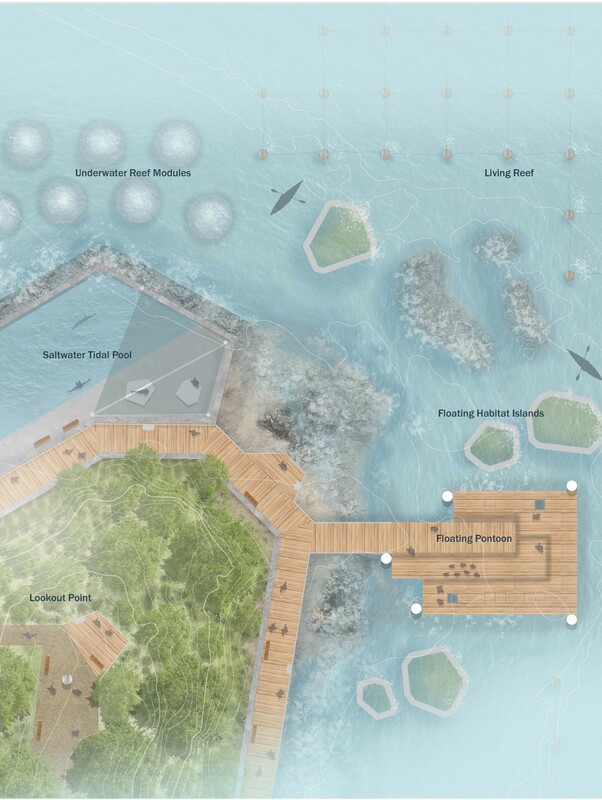
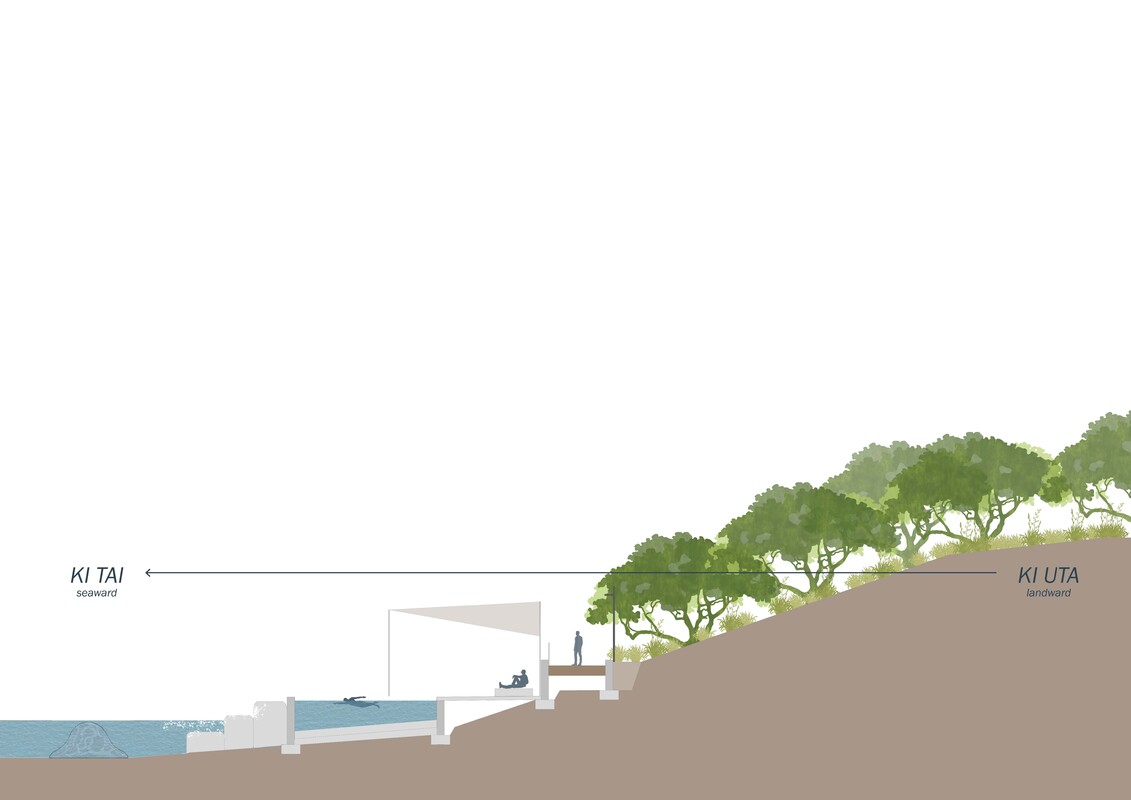
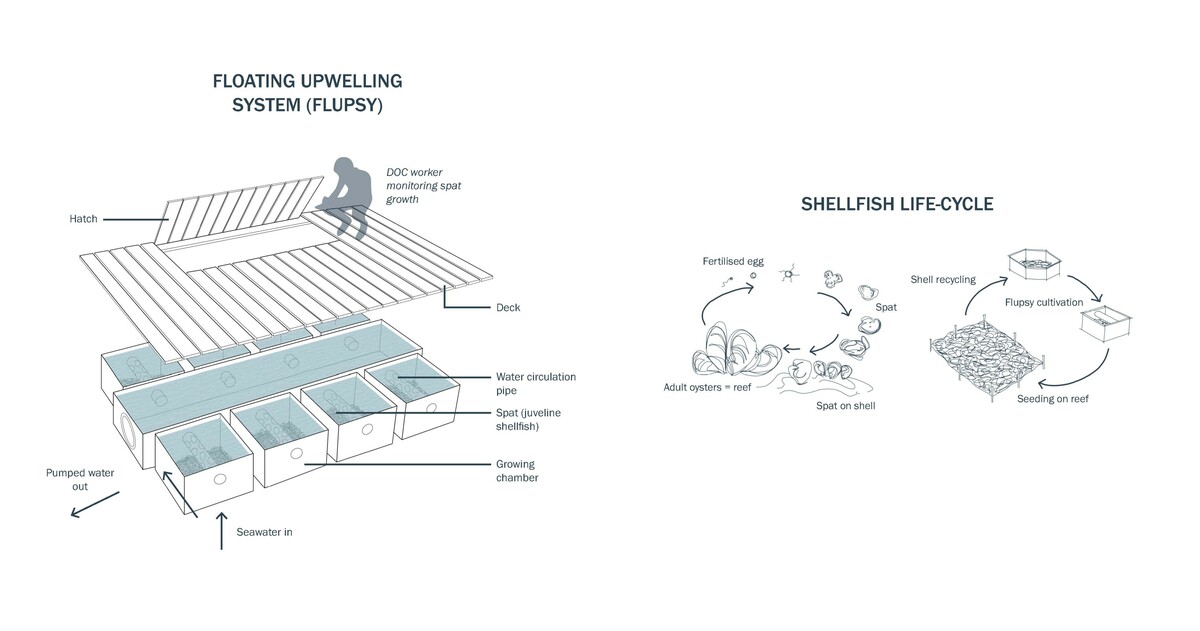
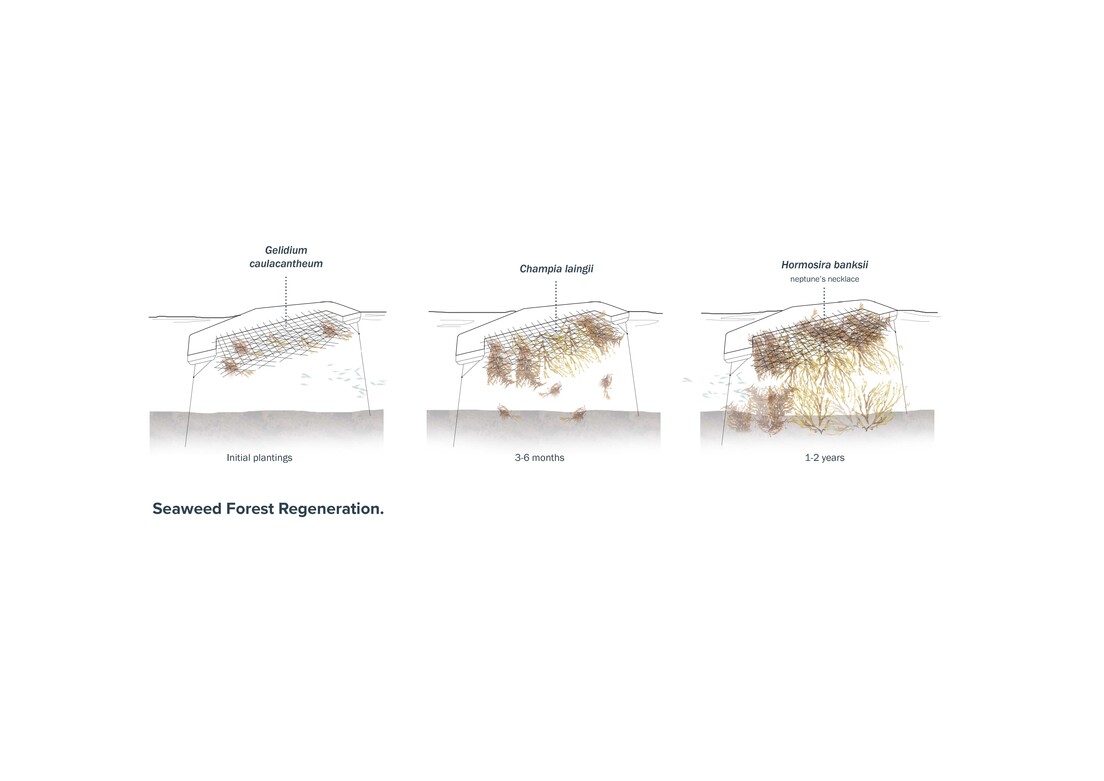
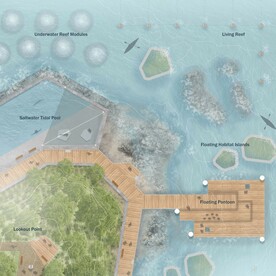
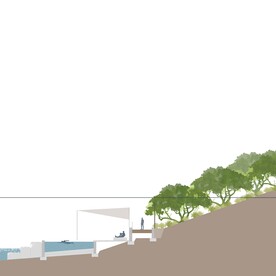
Through the themes of healing, weaving and revitalisation, the design integrates marine habitat restoration, ecological corridors, stormwater treatment and public realm interventions across the interface between land and sea. Interactive reef ecologies, tidal landscapes and community-focused waterfront experiences encourage deeper engagement with te taiao while supporting long-term resilience. Elegantly communicated and underpinned by a clear design narrative, the project demonstrates design maturity, critical thinking and the potential for landscape architecture to shape more regenerative futures.
Olivia Hawtin
Lincoln University
All images