Showcase
- NZILA Joint Category Winner Enduring Landscape — 2026
The Enduring Landscape category recognises landscapes that have stood the test of time, continuing to serve people and place at least 20 years after their creation. It celebrates the foresight of the original design, alongside the care and stewardship that allow these places to evolve and thrive.
Importantly, this award recognises the landscape itself, acknowledging that enduring places are shaped and cared for by many hands over time.
This year, the judges have chosen to recognise three winners of the Enduring Landscape Award. This is not a division of the award, but a reflection of the breadth and maturity of landscape architecture in Aotearoa New Zealand.
While each landscape has evolved, its original vision and intent remain strong. Each has made a significant contribution to the profession, demonstrating the lasting value of thoughtful planning, design and collaboration with clients, communities and allied professions.
In recognising three winners, the judges celebrate three distinct and equally compelling examples of enduring landscape architecture. Places that continue to deliver value, inspire the profession and shape the communities they serve.
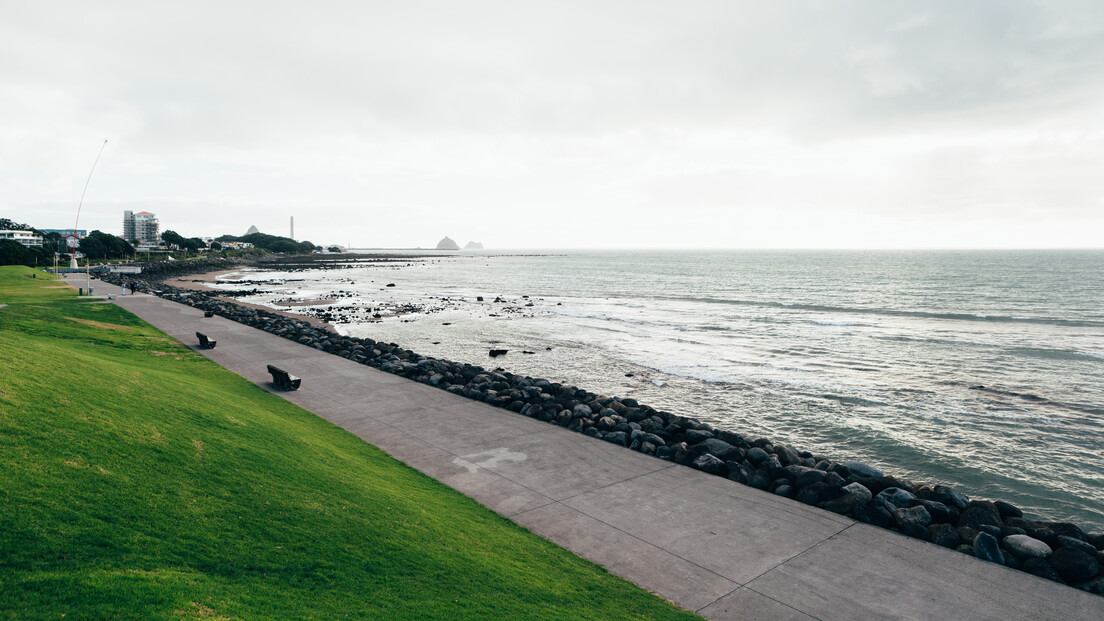
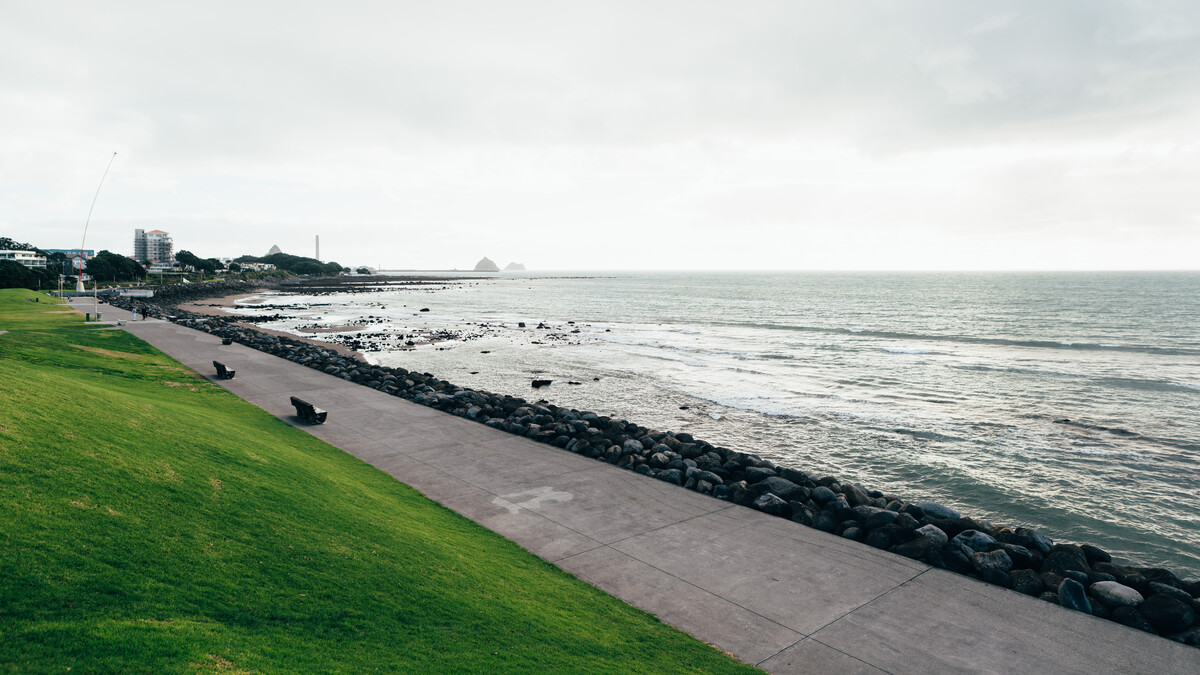
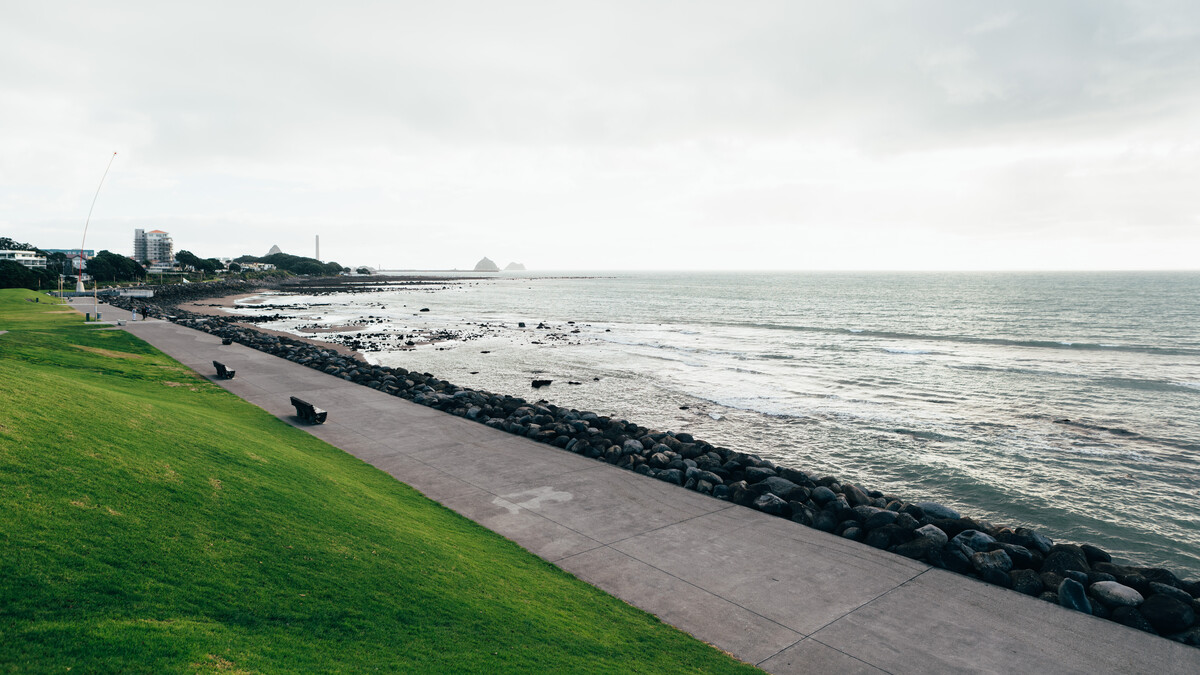
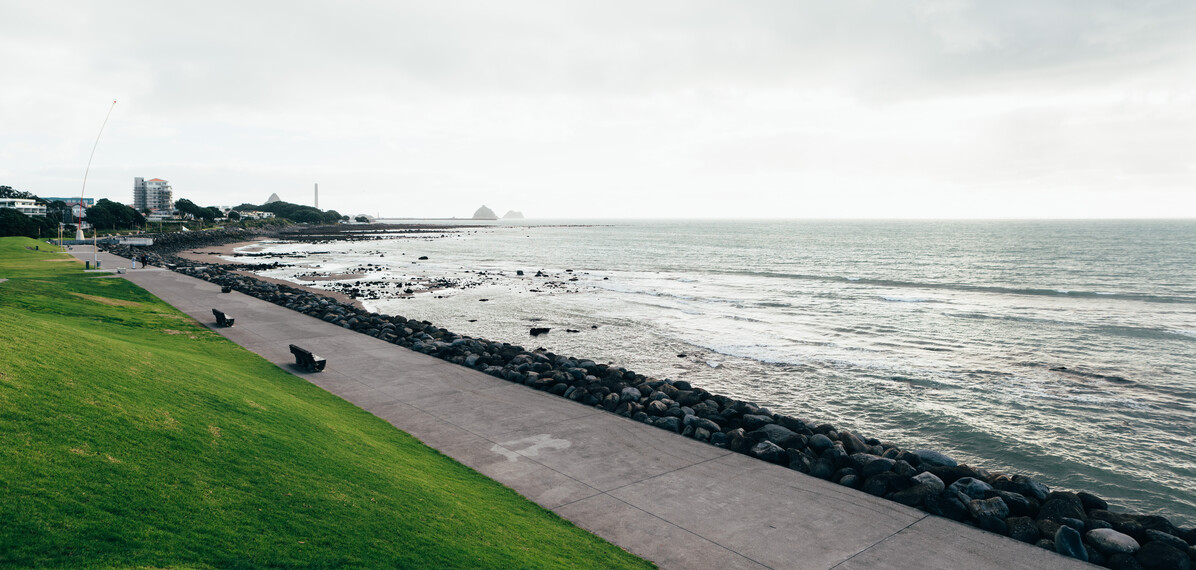
The first section of the New Plymouth Coastal Walkway was initiated for the millennium celebrations, establishing the foundation for an enduring civic landscape that reconnected the city with its rugged coastline. The original 800-metre proposal, advanced by Grant Porteous of the New Plymouth District Council, has grown into an ambitious coastal network, with planned connections from Bell Block and Waitara in the north to the port in the south. Its continued expansion demonstrates the strength of the original vision and its capacity to guide future investment.
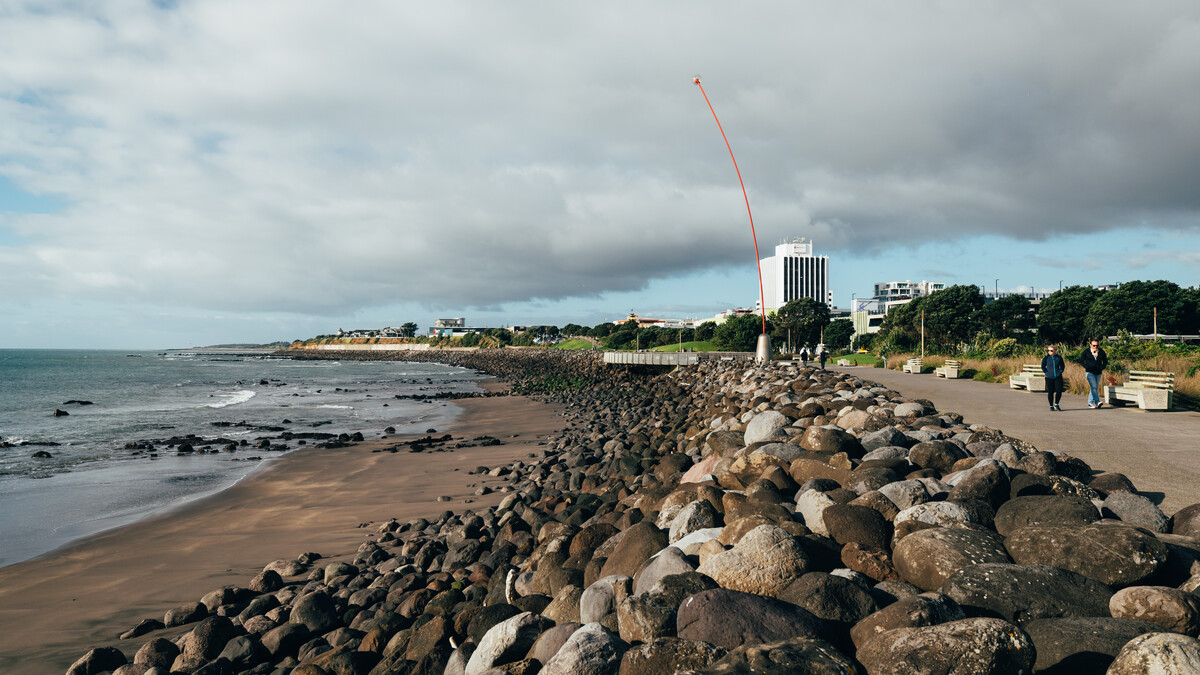
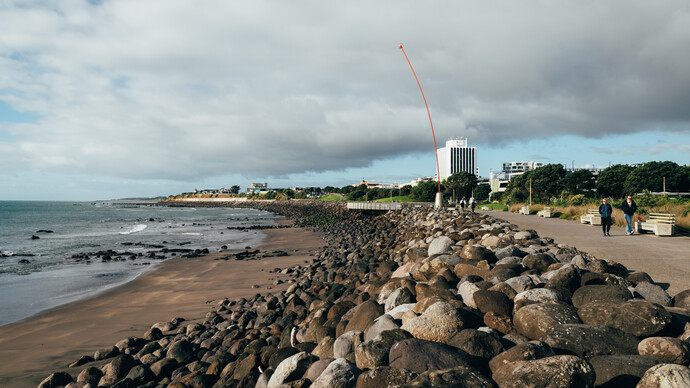
Set within Taranaki’s dramatic coastal environment, the walkway has become integral to the city’s urban fabric and coastal landscape. Extending along the city-edge waterfront and through the Puke Ariki landscape, past Len Lye’s Wind Wand to Fitzroy Reserve and north to the landmark Te Rewa Rewa Bridge, each section responds to a distinct context and activity, balancing exposure with shelter, and activity with contemplation. Successive stages have connected communities and created a distinctive coastal journey, one of the country’s most memorable commutes.
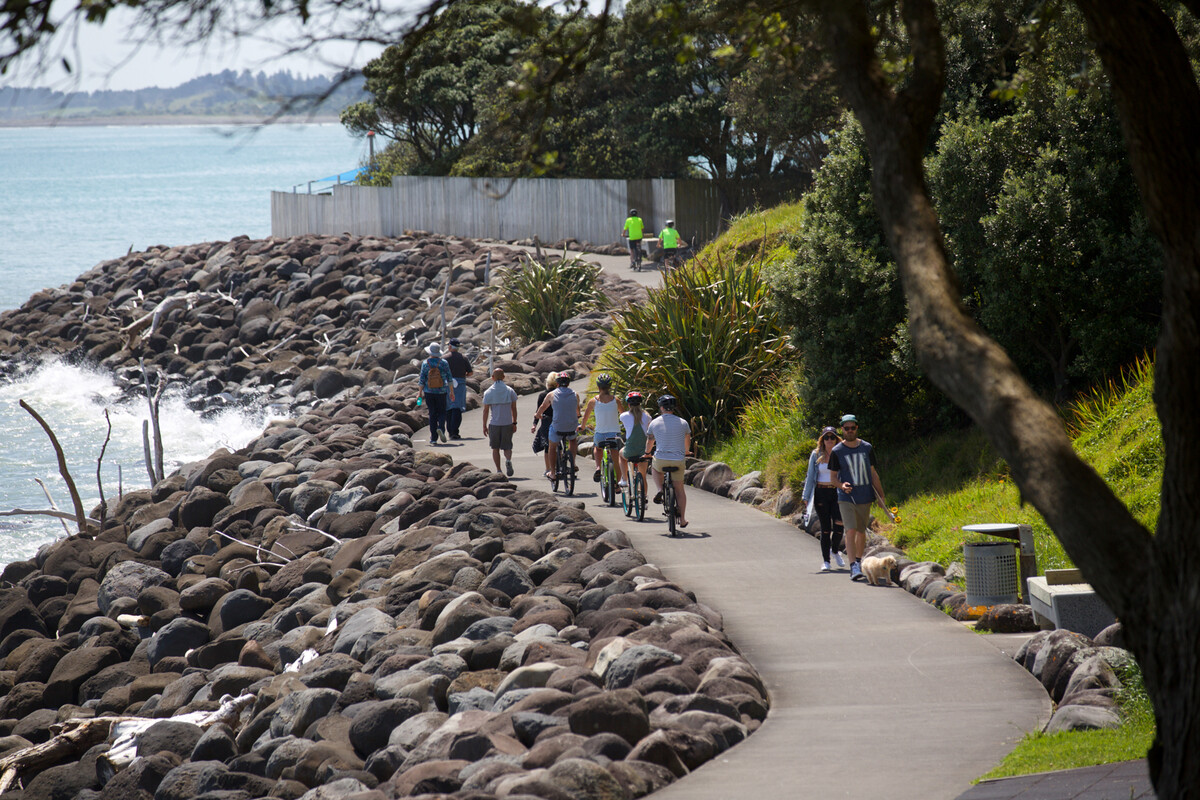
The significance of this work lies in its cumulative impact. Together, the initial section and subsequent projects form an evolving network that connects the coast, waterways, reserves, culture and public life, while reinforcing the distinctive identity of Ngāmotu New Plymouth.
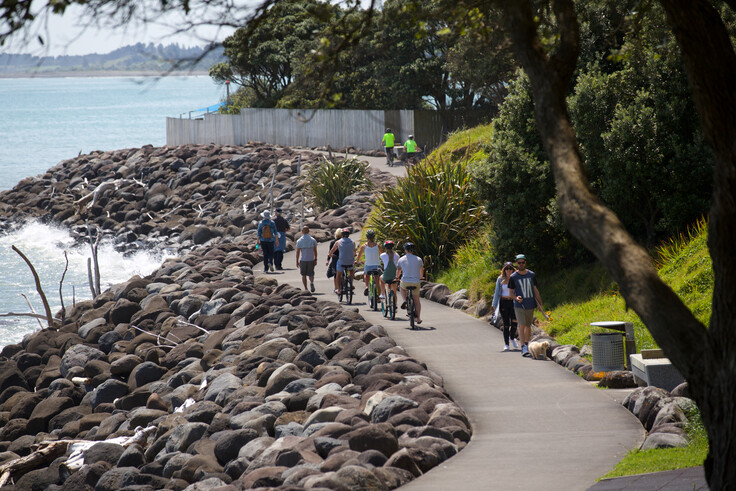
A robust material palette, disciplined detailing, natural rock edge and a careful relationship with the natural ground have delivered lasting value. These design choices respond effectively to the demands of the coastal environment, support efficient maintenance and enable successive extensions to read as a seamless and coherent whole.
This enduring project demonstrates the power of a path and its landscape setting to shape place over time. Isthmus Group and local landscape architect Richard Bain established a partnership that combined the capability of a major practice with the insight of a locally grounded designer. This collaboration is evident in a cohesive series of path projects that read as a unified coastal landscape rather than a collection of isolated interventions. From its beginnings, the walkway has transformed the coastal experience and strengthened civic identity. It has re-established a framework for public life along the coast, supporting physical activity and connection with pathside community spaces.
Isthmus in collaboration with Richard Bain Landscape Architects
Client: New Plymouth District Council
All images